How to Get to the Real Caño Negro — It's Easy, and It's Worth the Drive
How do I reach Caño Negro Refuge?
As we often explain, you can generally drive to Caño Negro year-round, depending on current road conditions
All tours departing from Los Chiles or San Emilio operate outside the official boundaries of the Caño Negro Wildlife Refuge. These excursions navigate the Río Frío and may offer wildlife viewing, but they do not enter the Caño Negro lagoon or the visitable area of the refuge.
If you’re not in the village of Caño Negro, you’re not visiting the Caño Negro Wildlife Refuge. T To experience the real Caño Negro — the RAMSAR wetland, the 800-hectare lagoon, the over 300 bird species — you need to be in the village of Caño Negro, where Hotel de Campo Caño Negro is located directly in front of one of the main lagoons of the Caño Negro Wildlife Refuge, with direct and private access to the wetland.Be aware! The location "Rio Frio" and the Refuge of Caño Negro — Two Different Destinations
Understanding the geography is key to planning your visit:
| The Río Frío | The Caño Negro Wildlife Refuge |
|---|---|
| Operates from Los Chiles and San Emilio | Located at Caño Negro village (Route 138) |
| Navigates the Río Frío — a river | Located on the Caño Negro lagoon — a RAMSAR wetland |
| Kilometres away from the official refuge | Inside the official refuge boundaries |
| Good wildlife viewing, but limited | Over 300 bird species — the real biodiversity hotspot |
At Hotel de Campo, our boat tours depart directly from the property and take guests into the Caño Negro Wildlife Refuge and its lagoon system.
To experience Caño Negro, you need to go to Caño Negro.
How to Drive to Caño Negro
- From Arenal (La Fortuna): about 2.5 hours
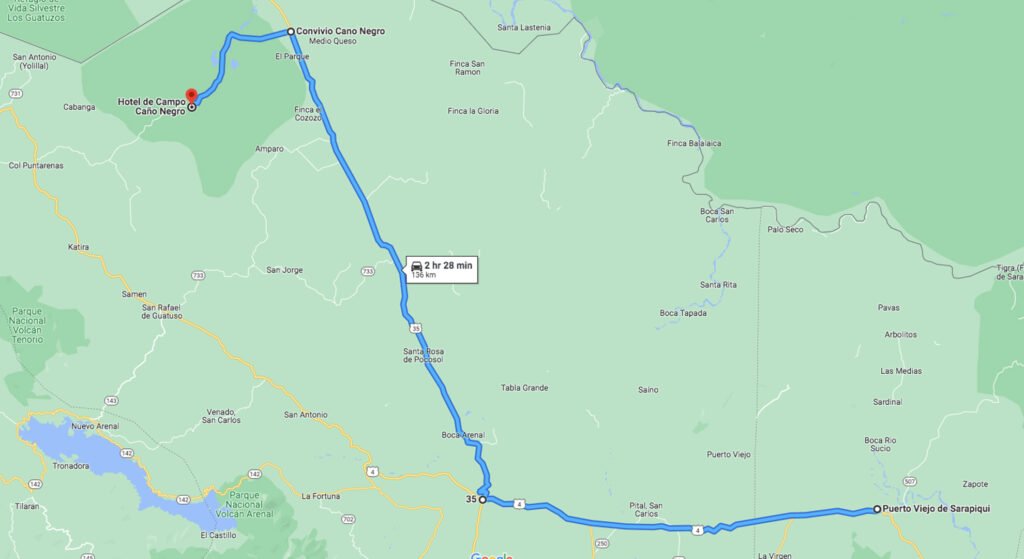
- From Puerto Viejo de Sarapiquí: about 2.5 hours
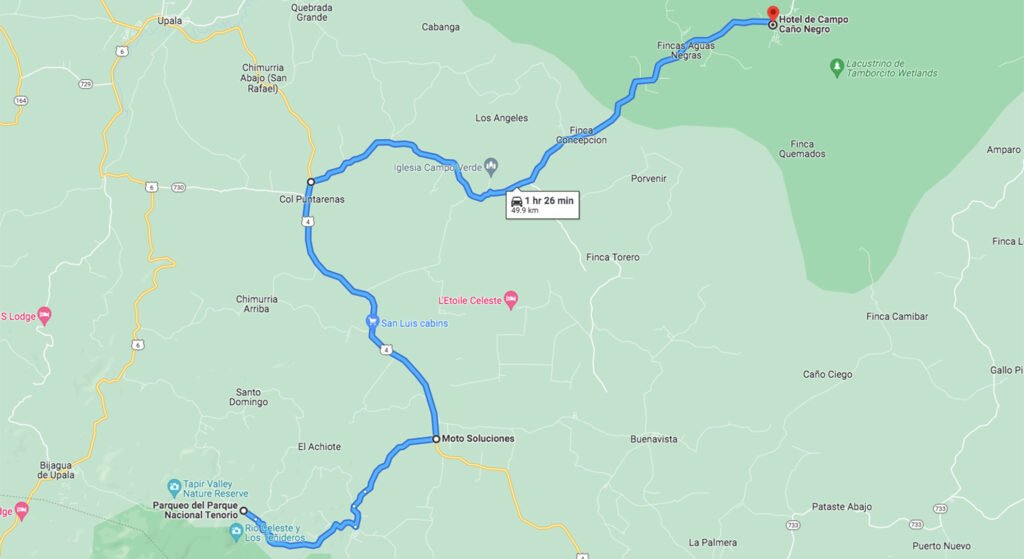
- From Tenorio Volcano: about 1.75 hours
- From Bijagua: about 1 hour
Driving times are approximate and may vary depending on your exact starting point, road conditions, weather and traffic. Check current conditions before travelling, especially during periods of heavy rain.
Note: Los Chiles and San Emilio are not Caño Negro. They are towns kilometres away from the refuge. If you’re heading to Los Chiles or San Emilio, you’re heading to the Río Frío — not to Caño Negro.How to Reach Caño Negro Refuge from
Arenal Volcano - La Fortuna
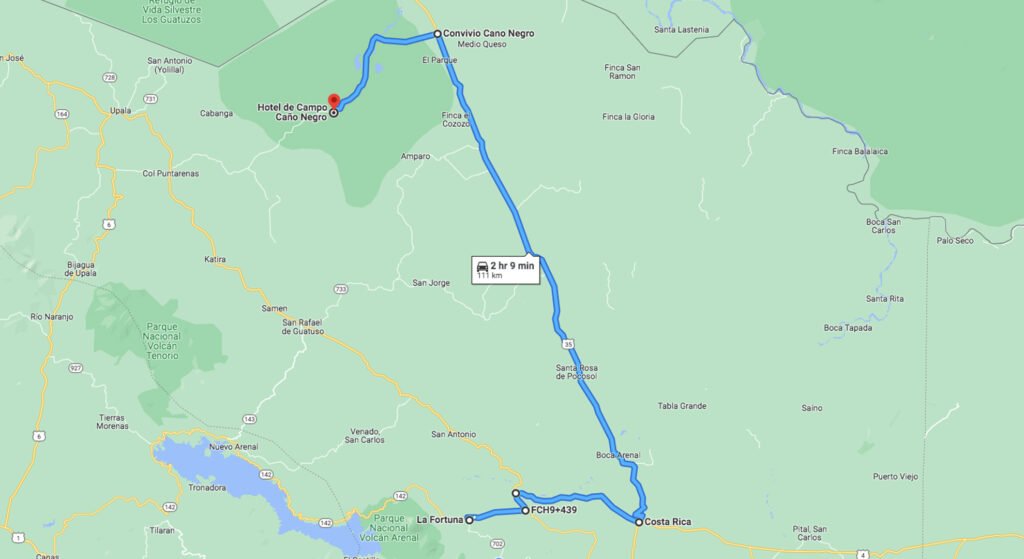
If you are in the area of the Arenal volcano (La Fortuna), drive north along with route number 142 to El Tanque. Turn left to the next cross and turn right on route number 4 to Muelle, then turn left and take the route 35 north in the direction to Los Chiles, and when you arrive at El Jobo (about 7 km before Los Chiles, turn left on the route 138 to Caño Negro.
How do I reach Caño Negro Refuge from Bijagua
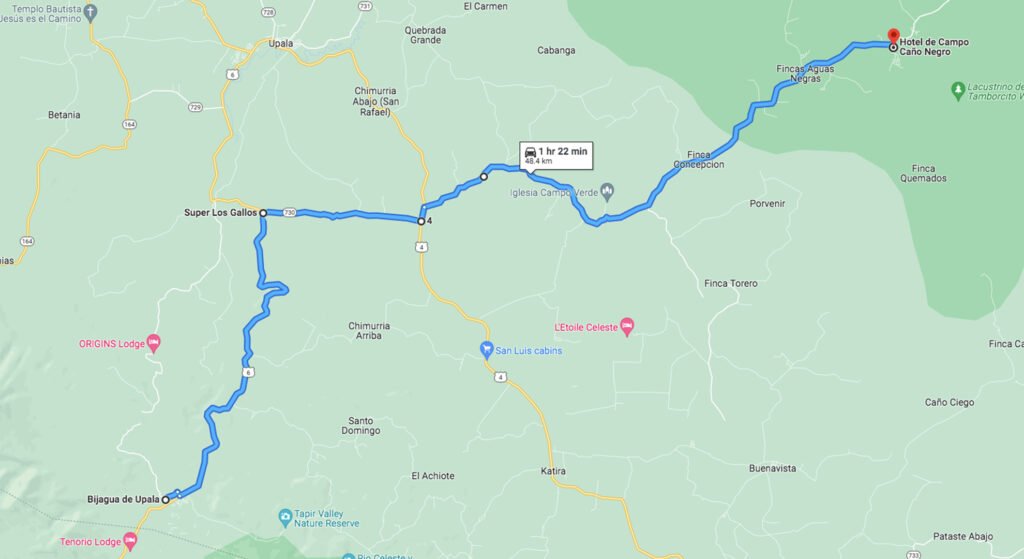
If you are in Bijagua, follow route number 6 to the north up to the intersection to route number 730. Take right and follow the route up to the intersection with route number 4. Take left and after a few hundred meters, take left in route 138 to Caño Negro Refuge.
If you are in Guanacaste, go to Bijagua, and then follow the same instructions.
How do I reach Caño Negro Refuge from Tenorio National Park
If you are around Tenorio National Park, drive to the Park entrance, and from there follow the street to Katira. There, turn left on route 4 to Colonia the Puntarenas, and at the next intersection turn right on route 138 to Caño Negro Refuge.
How do I reach Caño Negro Refuge from
the Atlantic coast - Puerto Viejo de Sarapiquí
If you are in the Atlantic coast, go to Puerto Viejo de Sarapiquí. From then continue west on route 4 up to Muelle de San Carlos intersection. There take north in the direction of Los Chiles on route number 35. Before Los Chiles, about 7 km, at El Jobo take left on route 138 to Caño Negro Refuge.
Cano Negro Experience
Looking for full day caño negro boat tour?
You can visit Caño Negro in one day. But why rush?
A typical day trip from La Fortuna means spending more than 5 hours on the road, arriving late in the morning, and leaving before the best hours begin.
By staying overnight at Hotel de Campo, you’ll have time for multiple boat tours, relaxed meals, wildlife spotting from the hotel gardens, and unhurried exploration of the refuge — all without the exhaustion of a rushed day trip.
More time in nature. Less time on the road. A better experience.
Looking for an All-in-One Package?
Hotel de Campo Caño Negro, with its 14 comfortable rooms, is located directly in front of one of the main lagoons of the Caño Negro Wildlife Refuge, with direct and private access to the wetland.
150 meters east of the entrance to Caño Negro village, Caño Negro de Los Chiles, Provincia de Alajuela, Costa Rica.
With Hotel de Campo you can enjoy a wonderful vacation in Costa Rica at the National Refuge of Caño Negro, choosing between 6+ packages. Or customize your own.
Made for birdwatcher & photographer
We prepare 3 packages from 1 to 3 nights, with up to 15 hrs of private birding and photography tours. You can customise these vacation packages.
Made for nature lover
We prepare 3 vacations packages from 1 to 3 nights, that include up to 5 hrs of boat tours in Caño Negro. This packages doesn’t include private trip, but you can upgrade it
Contact us
If you have any other questions about your vacation in Costa Rica and would you like to visit Caño Negro please write to us
Cano Negro Wildlife Refuge Facts
No, it’s not difficult at all. You can drive to Caño Negro in your own car every day of the year. The refuge is located on the northern plains of Costa Rica, between Los Chiles and Upala, and is accessible via Route 138. The road is bumpy, and the area feels remote — but that’s exactly why the refuge is so rich in biodiversity. A high-clearance vehicle may be helpful, especially after heavy rain. Conditions vary by season and route, so check current local conditions before travelling.
The Río Frío is the river that flows into the Caño Negro lagoon — but it is not the refuge itself. Many tours from La Fortuna operate only on the Río Frío, outside the official boundaries of the Caño Negro Wildlife Refuge. While the river offers good wildlife viewing, it does not provide the full experience of the lagoon ecosystem, the RAMSAR wetland, and the spectacular concentrations of birds that gather during the dry season. To experience the real Caño Negro, you need to be inside the refuge, on the Caño Negro lagoon.
The drive from La Fortuna (Arenal Volcano) to Caño Negro takes approximately 2.5 hours. The route follows Route 142 to El Tanque, then Route 4 to Muelle, and Route 35 north towards Los Chiles. Before Los Chiles, at El Jobo, turn left on Route 138 to Caño Negro. The road is bumpy, and the area feels remote — but that’s exactly why the refuge is so rich in biodiversity. A high-clearance vehicle may be helpful, especially after heavy rain. Conditions vary by season and route, so check current local conditions before travelling.
A day trip from La Fortuna means spending more than 5 hours on the road, arriving late in the morning when wildlife activity is lower, and leaving before the best hours begin. By staying overnight at Hotel de Campo, you’ll have time for multiple boat tours, relaxed meals, and unhurried exploration of the refuge — all without the exhaustion of a rushed day trip. You’ll see more wildlife, get better photos, and truly experience the refuge.
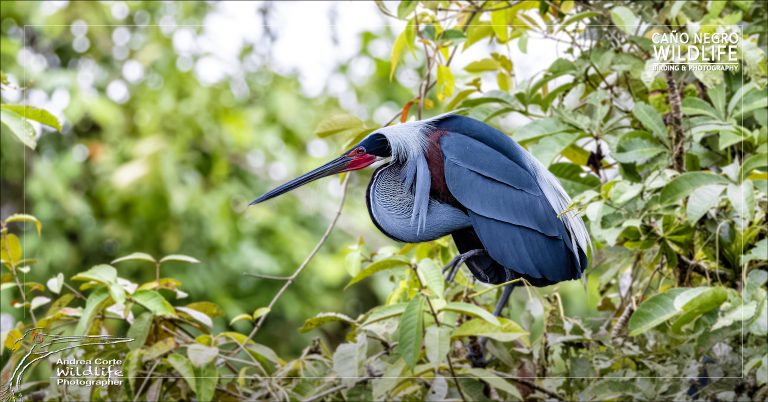
The Caño Negro Wildlife Refuge is home to over 300 bird species, including iconic waterbirds like the Jabiru, Agami Heron, Roseate Spoonbill, and Pinnated Bittern. You’ll also find three species of monkeys (howler, white-faced capuchin, and spider monkeys), spectacled caimans, sloths, anteaters, green iguanas, and the “Jesus Christ lizard” (basilisk). The refuge is a RAMSAR Wetland of International Importance, recognised for its exceptional biodiversity.
Yes, Caño Negro is accessible year-round. The dry season (December to April) offers spectacular wildlife viewing as water recedes, concentrating wildlife around the remaining pools. The rainy season brings lush green landscapes and fewer visitors, offering a more intimate experience. Each season offers a unique perspective on this incredible wetland ecosystem.
Hotel de Campo Caño Negro is the only hotel in Caño Negro located directly in front of one of the main lagoons of the wetland, with direct and private access to the area. Our guided boat tours depart from the property and enter the Caño Negro Wildlife Refuge and its lagoon system.