Discover why a birding experience in Caño Negro is a must for any birder visiting Costa Rica. Over 300 species, year-round birding, and the best light for photography.
Why Caño Negro is a Birding Paradise
A World-Class Wetland Destination
Costa Rica is a birdwatcher’s dream. With over 920 bird species recorded in a country half the size of Kentucky — and recent guides already mentioning more than 930 species, with the latest field guide reporting 943 species — it offers more avian diversity than the United States and Canada combined.
And within this small but incredibly diverse country, Caño Negro Wildlife Refuge stands out as one of the top 3 birding hotspots in the country.
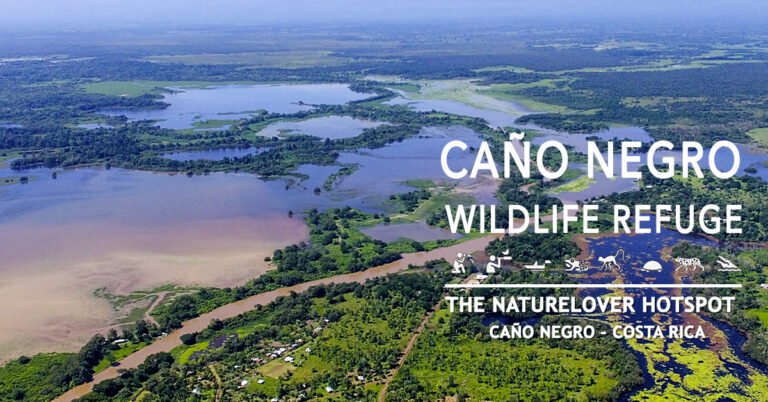
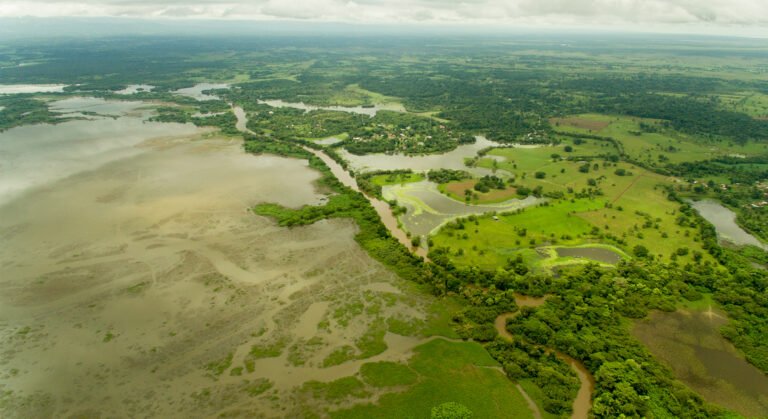
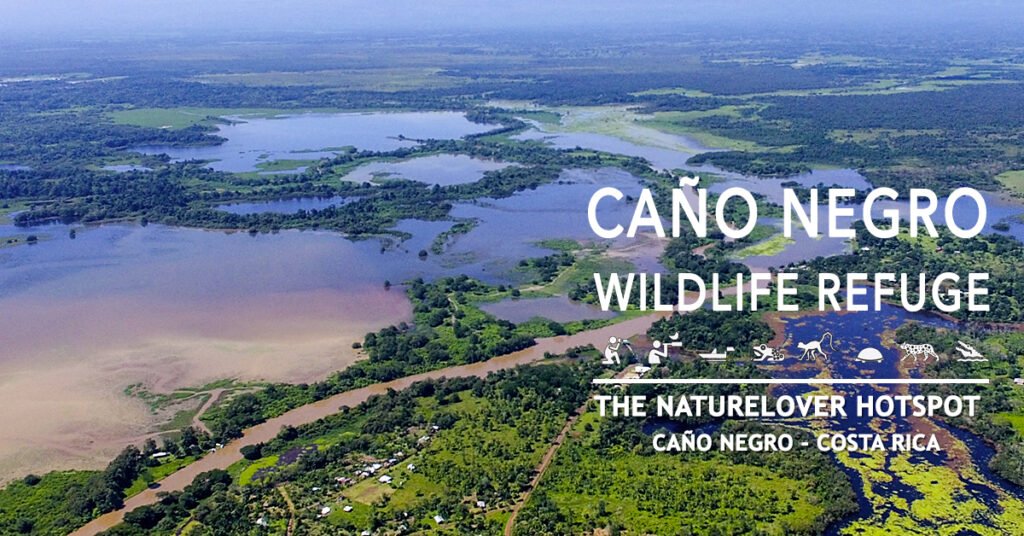
This 10,171-hectare wetland is a RAMSAR site of international importance, recognized for its exceptional biodiversity. According to eBird, the refuge has recorded over 300 bird species — and that number continues to grow as more birdwatchers and researchers explore its lagoons, rivers, and floodplains.
What makes Caño Negro truly special is its accessibility. Unlike many other birding destinations that require long hikes through dense jungle, Caño Negro is explored by boat. You simply relax on a comfortable boat while our expert guides navigate the Caño Negro lagoon and the Río Frío system. No strenuous trails, no exhaustion — just you, the birds, and the wetland.
On a good birding day, you can spot more than 100 species. From the iconic Jabiru and the elusive Agami Heron to the colourful Roseate Spoonbill and the endemic Nicaraguan Grackle, the refuge offers an unforgettable experience for birdwatchers and photographers of all levels.
More birds. Less effort. A truly rewarding experience.
Looking for a Birding Tour Beyond Caño Negro?
If you’re planning a birding trip across Costa Rica, we recommend Birding Costa Rica Tours, run by our trusted partner Renzo Sturmo. With over 30 years of experience in Costa Rica, they offer private and customized birding tours that can include Caño Negro as part of a larger national itinerary.
Many of our guests combine a stay at Hotel de Campo with a longer birding route across the country. Contact them directly to design your complete Costa Rica birding experience.
The Best Time for Birding in Caño Negro
One of the most common questions we receive is: when is the best time to visit Caño Negro for birding?
The short answer is: Caño Negro is a year-round birding destination. However, the experience varies significantly between seasons, and the “best” time depends entirely on what you want to see.
Ask yourself:
- Do you have a birding list you’re hoping to expand with new species?
- Are there lifer birds you’ve been dreaming of spotting — like the elusive Agami Heron or the majestic Jabiru?
- Do you have specific targets in mind, such as migratory warblers or the endemic Nicaraguan Grackle?
- Are you looking for a specific birding hotspot where you can combine accessibility with exceptional biodiversity?
Your answers to these simple questions will help determine the best time for your visit.
Dry Season — December to April
The dry season is the most popular time for birding in Caño Negro. As water levels recede, wildlife concentrates around the remaining lagoons and canals, making birds easier to spot. This is the best time to see migratory birds from North America, which join the resident species to create a spectacular concentration of avian life.
- Peak bird activity — birds are more visible as they gather around shrinking water sources
- Ideal for photography — clear skies and soft morning light
- Higher chances to spot target species — Jabiru, Agami Heron, Roseate Spoonbill, and migratory warblers
- More tourists — this is the high season, so book in advance
Rainy Season — May to November
The rainy season offers a completely different but equally rewarding experience. The landscape becomes lush and green, and although wildlife is more dispersed, you’ll encounter fewer tourists. This quieter time is perfect for photographers and birders who prefer a more solitary and intimate connection with nature.
- Lush green landscapes — the wetland comes alive with vibrant vegetation
- Fewer visitors — more privacy and a more intimate experience
- Resident birds active — many resident species are breeding and displaying
- Snail Kites nesting — June to July is the best time to see them
- More dispersed wildlife — requires more patience and local knowledge
Migratory Seasons — Two Waves of Birdlife
Caño Negro is one of the few places in the world where two migratory waves overlap, making it a truly unique birding destination.
Boreal Migration — September to May
The boreal migration brings birds from North America, including warblers, ducks, and shorebirds. This is the most spectacular migratory event, with the highest diversity of species. The peak coincides with the dry season (December to April), offering exceptional birding conditions.
Austral Migration — May to September
While less studied and involving far fewer species than its northern counterpart, Costa Rica also receives a wave of austral migrants — birds that travel north from the Southern Cone (Argentina, Chile, and southern Brazil) to escape the austral winter. This phenomenon occurs between May and September, coinciding with the start of the rainy season.
Species like the Dark-billed Cuckoo and Gray-bellied Hawk have been recorded in Costa Rica as austral migrants, and occasional rarities like the Yellow-billed Tern have been documented in the country’s wetlands. In fact, a Yellow-billed Tern was recorded at Caño Negro’s San Sebastián Lagoon in 2018 — a testament to the refuge’s importance as a crossroads for migratory birds from both hemispheres.
For a complete view of seasonal bird activity, explore our Caño Negro Birding Checklist.
Bird Species You Can Expect to See in Caño Negro
Caño Negro Wildlife Refuge is home to an extraordinary diversity of bird species. According to eBird, the official checklist for the hotspot includes over 470 species, with more than 300 species regularly recorded. This makes it one of the most productive birding destinations in Costa Rica.
Whether you’re a beginner birdwatcher or a seasoned birder with a life list to expand, Caño Negro offers something for everyone. Here’s what you can expect to see, organised by category:
Target Species — Birds That Birders Come to See
These are the species that attract birdwatchers from around the world. They are either rare, elusive, or endemic to the region.
- Agami Heron (Agamia agami) — one of the most elegant and sought-after herons in Costa Rica. Caño Negro is one of the best places to see it.
- Jabiru (Jabiru mycteria) — the largest flying bird in the Americas, a true icon of the wetland.
- Pinnated Bittern (Botaurus pinnatus) — rare and elusive, a challenge for dedicated birders.
- Nicaraguan Grackle (Quiscalus nicaraguensis) — an endemic species of Lake Nicaragua, regularly found in Caño Negro.
- Snail Kite (Rostrhamus sociabilis) — a specialist feeder on apple snails, with a distinctive curved beak.
- Sungrebe (Heliornis fulica) — a small, unique bird known as the “marsupial bird” for its unusual breeding behaviour.
- Yellow-breasted Crake (Laterallus flaviventer) — a tiny bird that lives in dense vegetation, requiring patience to spot.
- Roseate Spoonbill (Platalea ajaja) — a stunning pink waterbird, a favourite among photographers.
- Black-collared Hawk (Busarellus nigricollis) — a fishing hawk, regularly seen in the refuge.
- Snowy Cotinga (Carpodectes nitidus) — very hard to see, making it a prized sighting for dedicated birders.
Endemics and Specialities
While Costa Rica has a rich list of endemic species, Caño Negro is home to a few that are either endemic to the region or very restricted in their range.
- Nicaraguan Grackle (Quiscalus nicaraguensis) — the only true endemic you’ll find regularly at Caño Negro. This species is endemic to the Lake Nicaragua basin and its surrounding wetlands. Caño Negro, located just 10 km from the lake and sharing the same ecosystem, is one of the best places in the world to see it.
- Nicaraguan Seed-Finch (Sporophila nuttingi) — a near-endemic found primarily on the Caribbean slope of Costa Rica and Nicaragua. While more common in the Caribbean lowlands, it is occasionally recorded in Caño Negro.
Caño Negro Birding Checklists — Real Sightings, Real Data
If you want to see which birds have actually been recorded in Caño Negro this year, we have compiled three detailed checklists based on real eBird sightings:
- Complete Checklist — All Years — the full 477 species recorded in Caño Negro
- 2026 Checklist — January to August — 368 species observed this year
- Rainy Season Checklist — May to August — 177 species observed during the rainy season
These checklists are based on real bird sightings from the Caño Negro Wildlife Refuge, compiled from eBird data. They are the most accurate representation of what you can expect to see during your visit.
Whether you’re a beginner birdwatcher or a seasoned birder with a life list to expand, Caño Negro offers something for everyone. Here’s what you can expect to see, organised by category:
Birding Hotspots Within Caño Negro Wildlife Refuge
Caño Negro is not just one destination — it’s a mosaic of habitats, each with its own special birdlife. Knowing where to go and when can make the difference between a good birding day and a great one. Here are the key birding hotspots within and around the refuge.
Caño Negro Lagoon — The Heart of the Wetland
The Caño Negro lagoon is the heart of the refuge — a shallow freshwater basin of approximately 800 hectares. This is where the spectacular concentrations of birds gather during the dry season, including jabirus, roseate spoonbills, wood storks, white ibis, anhingas, and northern jacanas. The lagoon is also the best place to spot the Agami Heron and the Pinnated Bittern.
Best time: Dry season (December to April), when water levels recede and wildlife concentrates.
Río Frío — The River That Feeds the Wetland
The Río Frío is the river that flows into and feeds the Caño Negro lagoon. While it’s a beautiful river with good wildlife viewing, it is not the refuge itself. Many tours operate only on the Río Frío, outside the official boundaries of the refuge. While the river offers sightings of caimans, monkeys, and some birds, it does not provide the full experience of the lagoon ecosystem.
Best time: Year-round, but the dry season offers the best visibility.
Hotel de Campo — Direct Access to the Wetland
Hotel de Campo is the only hotel located on the border of the refuge, right in front of one of the major lagoons of the Caño Negro wetland. This means our guests have direct access to the heart of the wetland — no long drives, no early morning transfers. From the hotel’s tropical garden, you can spot spider monkeys, howler monkeys, and a variety of birds without even leaving the property.
Best time: Year-round, with peak bird activity during the dry season.
Each of these hotspots offers a unique birding experience. Whether you’re exploring the lagoon, the river, or the private forest at Hotel de Campo, Caño Negro will reward you with unforgettable sightings.
Tips for Bird Photography in Caño Negro
Caño Negro is a photographer’s paradise. The combination of open wetlands, abundant wildlife, and dramatic light creates endless opportunities for stunning images.
Best light: The golden hours — sunrise (6:00 AM) and late afternoon (3:00 PM) — offer soft, warm light that’s perfect for capturing birds in their best colours.
Recommended equipment: A telephoto lens (400-600mm), extra batteries, and a monopod or tripod for stability.
Key locations: The Caño Negro lagoon is ideal for waterbirds like Roseate Spoonbills and Jabirus. The Río Frío is good for kingfishers perched over the water.
Pro tip: Consider a private boat tour for maximum flexibility — you can wait for the perfect light, spend more time on a sighting, and focus on your specific photographic interests.
Birding & photography packages at Hotel de Campo
At Hotel de Campo, we understand that every birder is different. Some have limited time and want a focused experience. Others want to immerse themselves in the refuge for days. That’s why we offer three dedicated birding packages, each designed to match your schedule, interests, and goals.
All packages include:
- Private boat tours — exclusively for you and your group
- Expert local guides — who know the best spots for target species
- Comfortable accommodation — inside the refuge, in front of the lagoon
- All meals included — so you can focus on birding, not logistics
Packages with Private Boat Tour — Guarantee
You don't need to walk. We take you there.
Birding by boat is the heart of the Caño Negro experience. From the water, you can access areas that are impossible to reach on foot, observe birds without disturbing them, and position yourself for the best light and angles. Whether you’re a birdwatcher, a wildlife photographer, or a nature lover, the boat is your platform to the wetland.
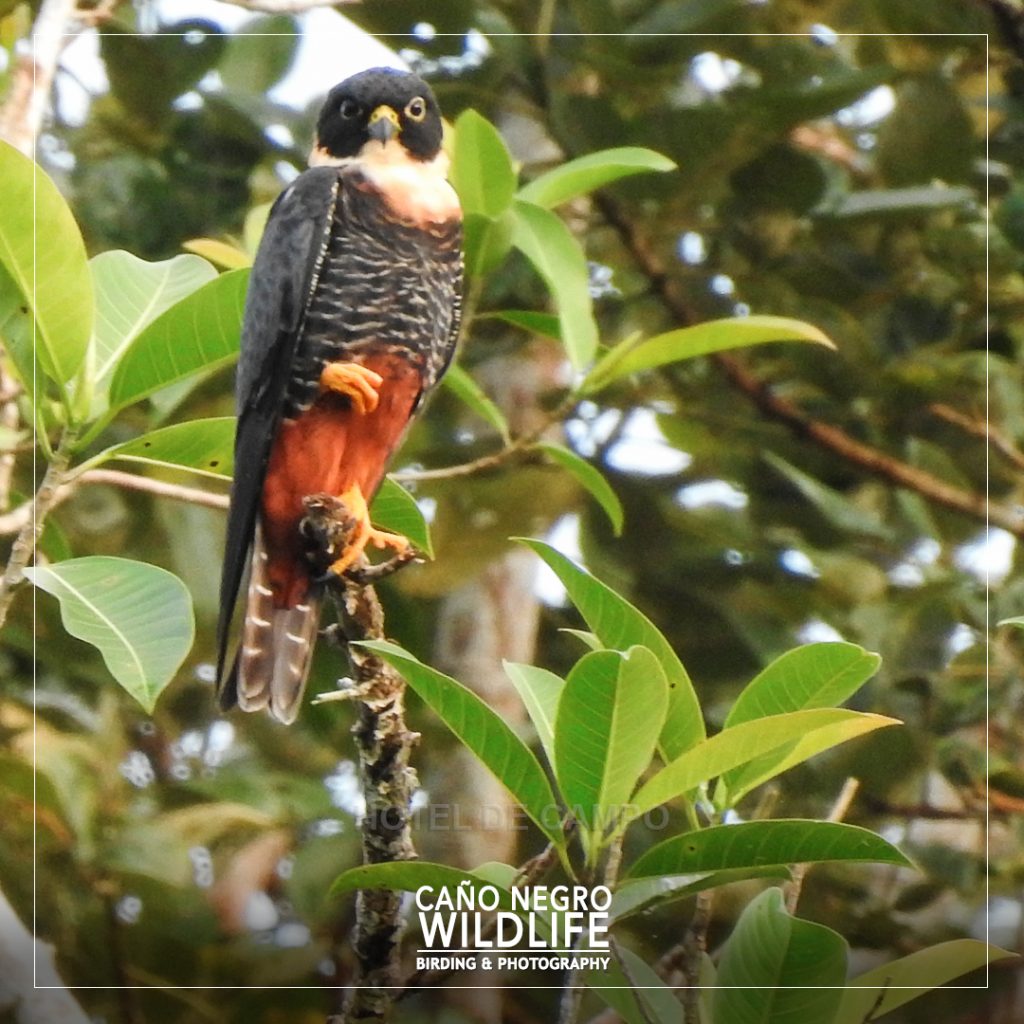
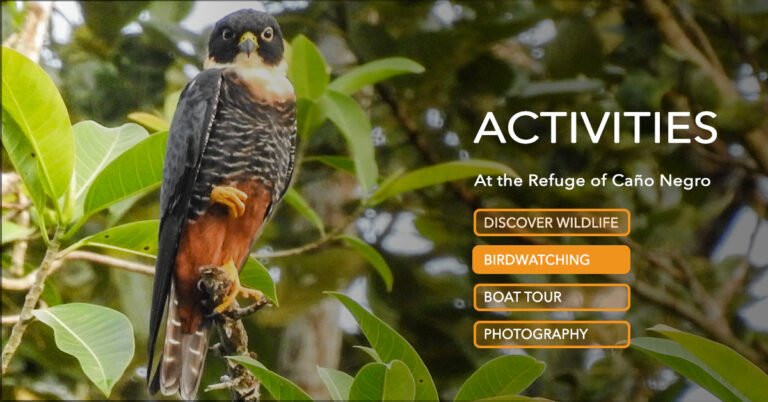
Bat Falcon Pack
1 Night / 2 Days
Perfect for: Birders with limited time who want a focused, private experience.
- 2 private boat tours (3h afternoon + 4h sunrise)
- 1 night at Hotel de Campo
- 1 dinner and 1 breakfast
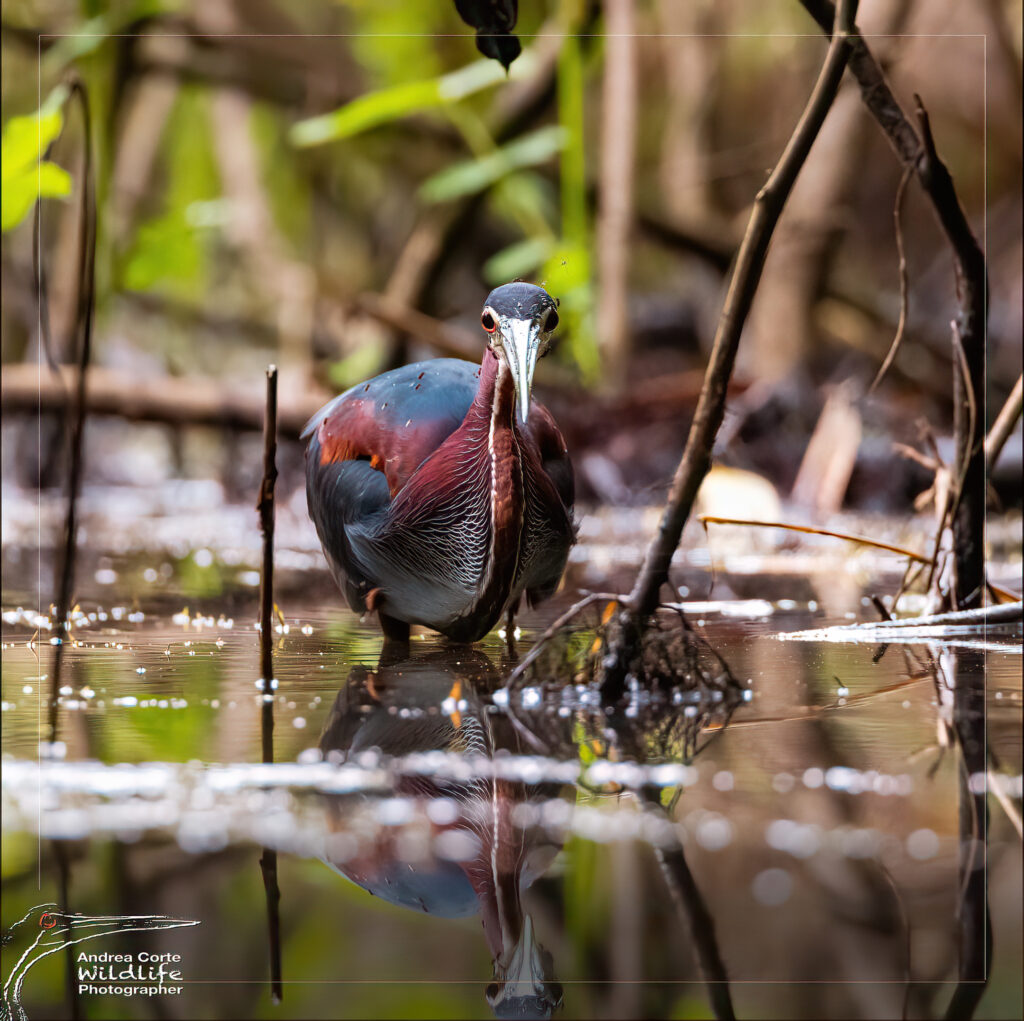
The Agami Pack
2 Nights / 3 Days
Perfect for: Birders who want more time in the field and a relaxed pace.
- 2 private boat tours (3h afternoon + 4h sunrise)
- 2 nights at Hotel de Campo
- 2 dinners and 2 breakfasts
- Extra free time to explore the garden or book additional activities
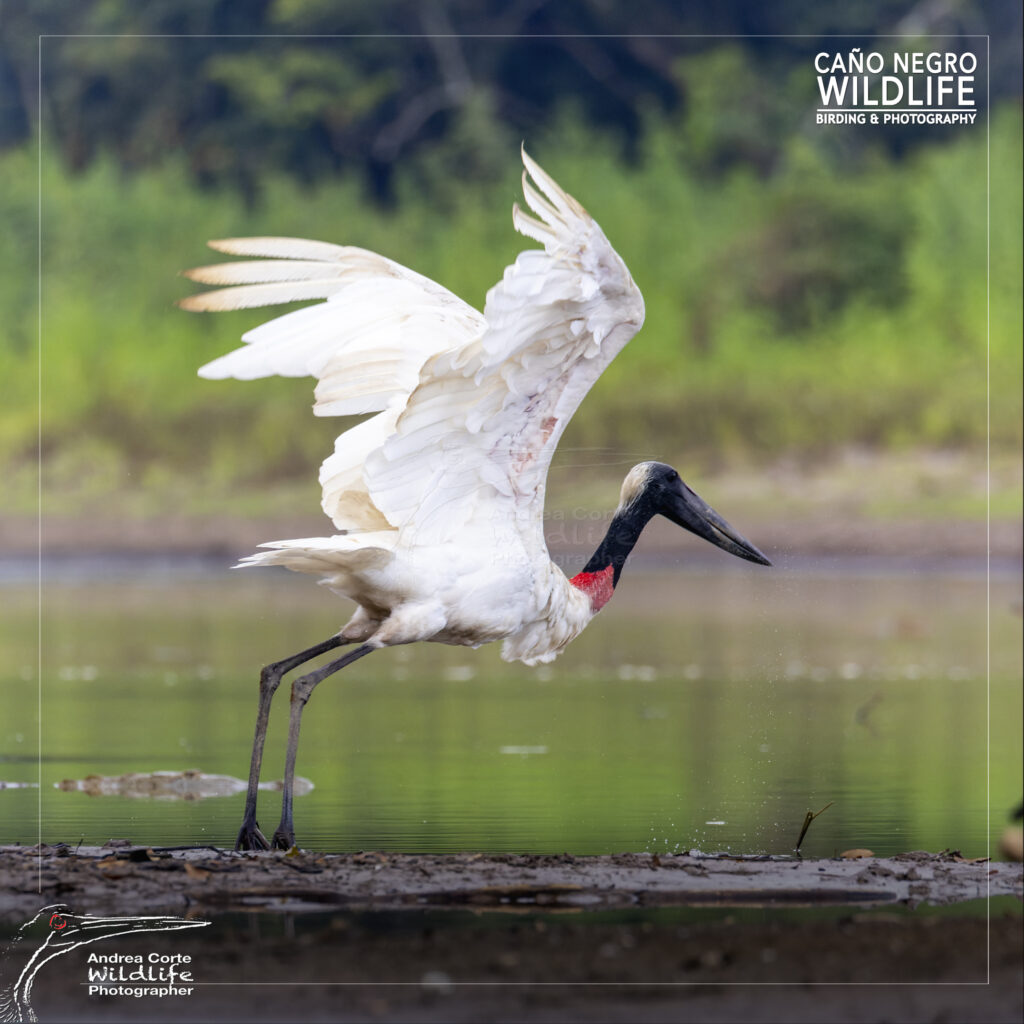
The Jabiru Pack
3 Nights / 4 Days
Perfect for: Dedicated birders and photographers seeking an immersive experience.
- Up to 12 hours of private boat tours
- 3 nights at Hotel de Campo
- 3 dinners and 3 breakfasts
- Maximum flexibility — your pace, your schedule, your focus
Contact us
Need a Custom Birding or Photography Trip?
Looking for more time in the field, a different combination of tours, extra nights or a specific wildlife target? Contact us and we’ll help design a custom birdwatching or wildlife photography experience in Caño Negro around your interests and schedule.- All-in-one services: Lodging, meals, private guided tours, transportation, and activities.
- Private & Shared tours: Personalised experiences with expert local guides.
- Responsible tourism: Committed to conservation and eco-sustainability.
- Variety of options: From wildlife expeditions to cultural experiences.
- Flexible planning: Custom packages based on your interest – birding, photography, wildlife, or eco-adventure.
Why Book Direct at Hotel de Campo Caño Negro?
- Best Price Guarantee: Booking directly with us is cheaper than online platforms.
- Real People, Real Support: Our team personally answers your questions and helps you plan every detail.
- Fully Customised: Your package, your pace, your interests — no rigid itineraries.
- Since 1998: Over 25 years of experience guiding birders and photographers in Caño Negro.