Caño Negro Travel Tips: What to Know Before You Visit
+10 best Costa Rica Travel Tips
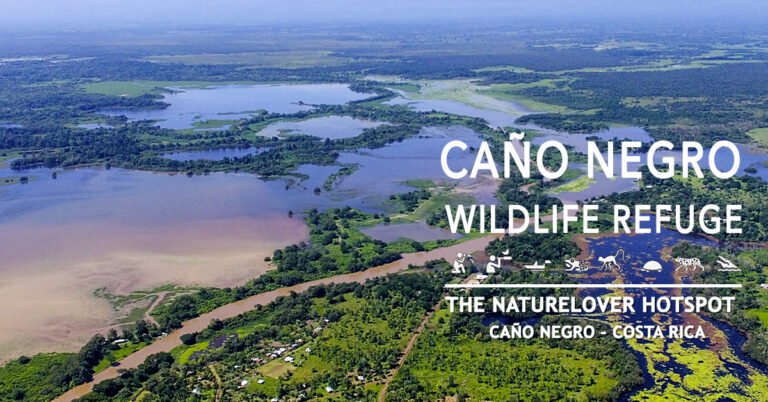
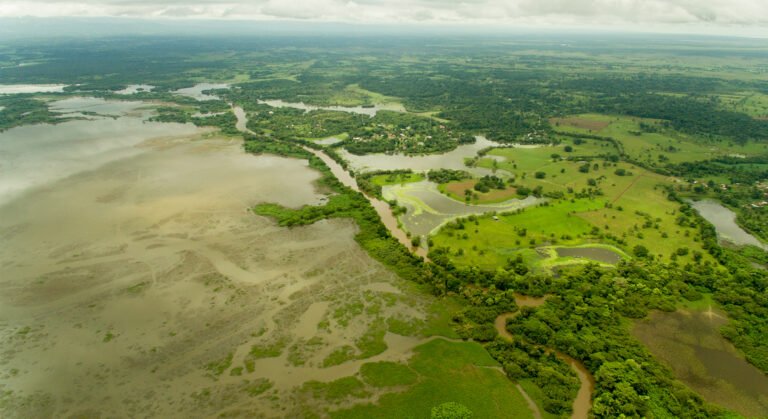
Caño Negro is not a conventional Costa Rica destination. This remote wetland in northern Costa Rica is shaped by rivers, lagoons, marshes, seasonal flooding, tropical weather, and abundant wildlife. Knowing what to expect before you arrive can make your visit much more comfortable and enjoyable.
A little preparation goes a long way in Caño Negro. The right shoes, clothing, insect protection, camera or binoculars, and an understanding of local weather and road conditions can make a significant difference. It is also worth planning how much time you want to spend here, especially if your main interests are wildlife, birdwatching, photography, or simply enjoying nature at a relaxed pace.
This guide focuses on the practical questions travellers often ask before visiting Caño Negro — from what shoes to bring and whether there are mosquitoes to driving conditions, money, tipping, weather, and what to expect when exploring a tropical wetland.
Why Caño Negro Is Worth the Journey
Caño Negro is worth the journey because it offers a different kind of Costa Rica experience. This is not a destination built around crowds, nightlife, shopping, or a long list of conventional tourist attractions. It is a place where the wetlands, wildlife, waterways, forests, and rural surroundings are the experience.
You do not have to be a birder or a wildlife photographer to appreciate Caño Negro. A quiet boat ride through the lagoons, watching birds along the waterways, seeing reptiles resting beside the water, or simply enjoying the landscape can be rewarding for anyone who appreciates nature.
The Original Caño Negro rewards those who give it time. Staying overnight allows you to experience the refuge without rushing back to another destination, while two or more nights give you even more opportunity to enjoy the changing light, weather, wildlife, and peaceful atmosphere of the northern wetlands.
And when you stay at Hotel de Campo, you are not simply staying near Caño Negro. You are staying next to the Caño Negro Wildlife Refuge, directly in front of one of its largest lagoons, with accommodation, meals, gardens, boat excursions, and nature experiences in one place.
Come for the wildlife, stay for the experience. Caño Negro may be away from Costa Rica’s conventional tourist circuits, but for travellers looking for authentic nature, abundant wildlife, and a quieter side of the country, that distance is precisely what makes the journey worthwhile.
Cloths & Shoes. What Should I Bring to Caño Negro?
Pack for a tropical wetland, not for a conventional hiking destination. Caño Negro is warm throughout the year, with daytime temperatures generally around 28–33°C (82–91°F), but what you should bring depends on whether you visit during the dry season or the rainy season.
What Should I Wear During the Dry Season?
Light, comfortable clothing is ideal during the dry season. Cotton and linen are excellent choices because they are breathable and comfortable in the warm tropical climate. Light-coloured clothing is also a good option, although if you prefer natural or camouflage colours for wildlife photography, that is entirely up to you — the wildlife in Caño Negro is not particularly concerned about the colour of your clothes.
UV-protection shirts and T-shirts are highly recommended. You will be spending time outdoors and exposed to the tropical sun, particularly during boat excursions. Lightweight long or short sleeves and trousers or shorts can be chosen according to your personal preference and comfort.
Choose comfortable, lightweight shoes that are easy to clean. Most wildlife excursions are conducted by boat, so during the dry season there is generally very little walking involved. When walking is necessary, the distances are usually short and easy rather than long hikes through the forest.
What Should I Wear During the Rainy Season?
Rainy season does not mean cold weather in Caño Negro. It can rain heavily, but temperatures remain warm, with daytime temperatures generally around 28–33°C (82–91°F). Lightweight clothing that dries quickly is therefore much more practical than heavy clothing.
Rain jackets or lightweight raincoats are recommended even though the boat has a roof. The roof provides protection from rain, but wind can still bring water into the boat. A lightweight waterproof layer is easy to carry and can make the difference between being comfortable and getting soaked.
Long or short sleeves and long or short trousers are both fine. Choose whatever is most comfortable for you. During the boat tours, there are usually very few mosquitoes or sometimes practically none, so there is no need to dress heavily just because you are travelling through a tropical wetland.
What Shoes Should I Bring?
During the rainy season, lightweight waterproof shoes are the best choice for Caño Negro. The wildlife tours are conducted by boat, and walking is generally not part of the experience during the wetter months. Caño Negro is a wetland and a flood-prone environment, so muddy or waterlogged ground is part of the natural landscape.
You do not need hiking shoes or hiking boots for the Caño Negro boat tours. There is no reason to carry heavy footwear for walking trails when your main activity is exploring the refuge by boat.
However, if your Costa Rica itinerary includes other destinations where you will be walking through muddy or wet areas, rubber boots can be an excellent practical choice. They dry quickly, are easy to clean, can be put on and removed quickly, and are not affected by mud. They are also inexpensive and can usually be purchased locally at a hardware shop in a small Costa Rican town.
Do I Need Special Hiking Gear for Caño Negro?
No. Caño Negro does not require specialised hiking gear for the typical wildlife experience. The refuge is primarily explored by boat, and the walking involved around the hotel, boat landing areas, or during the dry season is generally short and easy.
The most useful things to bring are comfortable lightweight clothing, sun protection, appropriate footwear, and rain protection. In Caño Negro, practical and lightweight usually beats heavy outdoor equipment.
Mosquitoes, Insects and Weather in Caño Negro
Caño Negro is a tropical wetland, so warm weather, humidity, insects, and rain are all part of the environment.
Knowing what to expect makes it much easier to prepare for your visit without overpacking or bringing unnecessary equipment.
Are There Mosquitoes in Caño Negro?
Yes, mosquitoes are present in Caño Negro, but they are generally not a major problem during the boat tours. Because most wildlife excursions take place on open waterways, visitors often encounter very few mosquitoes while on the boat.
Nevertheless, insect repellent is a sensible item to bring, particularly when spending time around vegetation, in the evening, or outside the boat. A small bottle is usually all you need.
Is Caño Negro Very Hot?
Caño Negro is warm throughout the year. Daytime temperatures are generally around 28–33°C (82–91°F), and humidity can make it feel warmer. Lightweight, breathable clothing, sun protection, drinking water, and a hat are therefore more useful than heavy outdoor clothing.
Does It Rain a Lot in Caño Negro?
Caño Negro has a relatively mild rainy season compared with many of Costa Rica’s other wildlife destinations. Rain is part of the wetland’s natural cycle, but visiting Caño Negro during the rainy season does not mean experiencing continuous rain throughout the day.
This is an important difference between Caño Negro and other parts of Costa Rica. The Caribbean coast, including destinations such as Tortuguero, is considerably wetter. Inland areas such as Sarapiquí, as well as the mountainous regions around Arenal and Bijagua, are also well known for much heavier and more frequent rainfall.
Caño Negro’s northern lowland location generally provides a more moderate rainy-season climate. You can have rain, sunshine, clouds, and warm temperatures during the same day, rather than the prolonged rainfall that is more typical of some Caribbean and mountainous areas.
This makes the rainy season an interesting time to visit the refuge. Rainfall helps maintain the wetlands and seasonal flooding that are essential to the ecosystem, while the generally warm and relatively moderate conditions still allow visitors to enjoy boat excursions and wildlife experiences.
So do not rule out Caño Negro simply because you are travelling during Costa Rica’s rainy season. Bring a lightweight rain jacket, be prepared for changing conditions, and you may find that the weather is considerably more comfortable than you expected.
Is Rain Bad for Wildlife Watching?
Not necessarily. Wildlife behaviour changes with weather, and a tropical shower does not mean that the refuge becomes inactive. In fact, changing weather can create different opportunities for observation and photography.
The most important thing is to be prepared for changing conditions rather than waiting for perfect weather. Comfortable clothing, waterproof protection for your equipment, and a flexible attitude will allow you to enjoy Caño Negro whatever the day brings.
Wildlife Observation: What Should I Bring?
You do not need specialised equipment to enjoy wildlife in Caño Negro, but there is one item we strongly recommend: binoculars. This is particularly important for Nature Lovers who may not normally carry wildlife observation equipment.
Are Binoculars Really Necessary?
Yes. Binoculars are essential for wildlife observation in Caño Negro. Many visitors arrive expecting to see large animals close to the boat, but wildlife does not always appear that way. In Costa Rica, a large part of what you will observe is birds, and many species are surprisingly small or may be resting some distance away in trees, vegetation, or along the waterways.
Without binoculars, many wildlife encounters become much more difficult to appreciate. You may see a bird in a tree, for example, but without magnification it can be difficult to identify it, see its colours and markings, or even understand exactly what you are looking at.
You do not need expensive professional equipment. A simple, good-quality pair of binoculars can transform the experience and allow you to see details that would otherwise remain too far away to appreciate.
What Binoculars Should I Bring?
For most visitors, 8×42 or 10×42 binoculars are excellent choices. They provide enough magnification for observing birds and other wildlife while remaining relatively comfortable to carry and use during a boat excursion.
If you do not own binoculars, consider borrowing or purchasing a basic pair before your trip rather than visiting the refuge without them. You do not need professional birdwatching equipment; having binoculars is what matters most.
What About Wildlife Photography?
If photography is your main interest, you probably already know what equipment you want to bring. For wildlife photographers, a long telephoto lens is generally the most useful choice because animals and birds may be some distance from the boat.
A lens of 400mm or longer can be particularly useful for smaller birds and distant wildlife. However, for the Nature Lover who simply wants to record the experience, a smartphone or a camera with a good zoom can be perfectly adequate to capture a panoramic scene.
How Should I Protect My Equipment?
Whatever equipment you bring, protect it from rain, humidity, and accidental splashes. The boats have a roof, but wind can still bring rain into the boat during changing weather.
A simple waterproof camera cover or dry bag is usually enough to protect cameras, mobile phones, binoculars, and other small equipment while you are on the water.
Getting to Caño Negro: Roads, Driving and Transportation
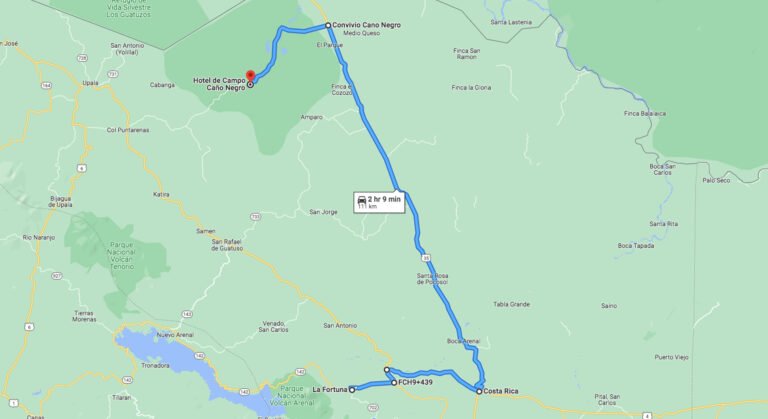
Getting to Caño Negro is easier than its remote location might suggest, but it is worth planning your transportation in advance. Costa Rica has relatively few main roads, and in many cases there is only one practical route between two destinations. The final part of the journey to Caño Negro takes you through rural areas, where driving times can be longer than the distance on a map might suggest.
Do I Need a 4×4 to Get to Caño Negro?
A 4×4 can be useful, particularly during the rainy season, but it is not always necessary. Road conditions depend on the route, recent rainfall, and the time of year. Some sections of the road are unpaved and can become muddy or rough after heavy rain.
If you are renting a standard car, check the current road conditions before travelling. Drive according to the conditions rather than assuming that a road will be the same as it was during a previous visit or during the dry season.
Do I Need GPS to Drive in Costa Rica?
You do not really need a dedicated GPS to travel around Costa Rica. The country has relatively few major roads, and many destinations can only be reached by one main practical route. Once you understand the general direction of your journey, navigation is usually straightforward.
Waze is generally the most useful navigation app for driving in Costa Rica. It is widely used locally and can provide useful information about traffic, road conditions, accidents, and alternative routes. Google Maps can also be useful, but Apple Maps is generally less reliable for travelling around Costa Rica.
Even when using a navigation app, download important information before leaving areas with good mobile coverage. Rural areas can have limited or intermittent connectivity.
Should I Buy a Local SIM Card?
Yes. A local prepaid SIM card is one of the most useful things you can buy when travelling around Costa Rica. It is inexpensive, easy to obtain, and gives you mobile data for navigation, communication, checking weather conditions, making reservations, and staying in contact while travelling.
A local SIM card makes Waze much more useful and gives you greater independence when travelling through rural areas such as Caño Negro. Prepaid plans are widely available in Costa Rica, and you can normally choose the amount of data that best suits the length of your trip.
Can I Reach Caño Negro Without Driving?
Yes, but public transportation is not necessarily the easiest option. You can travel by bus to and from almost anywhere in Costa Rica, but reaching Caño Negro by public transport can be inconvenient, time-consuming, and sometimes complicated because connections between rural routes are limited.
Private transportation is a much more practical alternative, but it can be expensive. Caño Negro is a remote destination, and there are no local taxis or a regular private-transfer service waiting in the village for visitors arriving from other parts of the country. A private vehicle and driver therefore have to travel a considerable distance to pick you up and take you back.
If you choose private transportation, staying for at least two nights can make much more sense. The longer stay helps spread the cost of the transfer over a more meaningful Caño Negro experience, rather than paying a substantial amount for transportation for only one night.
For travellers who want to avoid the driving altogether, organising transportation together with your accommodation and activities in advance is the easiest approach. This is particularly important in Caño Negro, where transportation options are much more limited than in Costa Rica’s main tourist destinations.
Money, Payments and Tipping in Costa Rica
Always have a backup payment method when travelling in Costa Rica. Credit and debit cards are widely accepted, and US dollars are commonly used in tourism, but travelling with cards alone is not a good idea, particularly when visiting remote destinations such as Caño Negro.
Should I Bring Costa Rican Colones?
Yes. Having some Costa Rican colones in cash is highly recommended. Colones are useful for small purchases, local shops, tips, roadside stops, and situations where card payments are not available.
You do not need to carry large amounts of cash, but having enough colones to cover unexpected expenses is a sensible part of travelling in Costa Rica, particularly when your itinerary includes rural or remote areas.
Can I Pay With US Dollars?
Yes, US dollars are widely accepted in Costa Rica, especially in tourism-related businesses. However, there is one important detail that visitors should know:
US dollar bills need to be in excellent condition.
Costa Rican banks and businesses can refuse US dollar notes that are dirty, heavily marked, stained, damaged, or torn. Do not arrive with old, worn, handwritten-on, or damaged dollar bills expecting to use them as normal cash.
This is particularly important for travellers bringing US dollars from home. Ask your bank for clean, undamaged notes before travelling, and avoid accepting damaged bills during your trip.
Why Should I Always Carry Some Cash?
Because things can happen that are completely outside your control. You may be hundreds or thousands of kilometres from home, travelling through a remote part of the country, when a storm brings down a tree onto a power line. The electricity goes out, the internet disappears, and suddenly a card terminal cannot process your payment.
This is not an extraordinary scenario in a country covered by forests, rivers, mountains, and rural areas. During the rainy season, temporary power or communication interruptions can occasionally occur. Having cash means that a temporary loss of electricity or internet does not automatically become a problem.
There are other possibilities. An ATM could retain your card. You could try to withdraw money on a Friday afternoon and discover that the bank will not reopen until Monday. Or your credit card could suddenly be declined because your bank has blocked an unfamiliar international transaction for security reasons.
Cash is therefore not necessarily your primary payment method — it is your backup. Keep some Costa Rican colones and, if you carry US dollars, make sure they are clean and undamaged. Having a second card is also a sensible precaution.
What If My Credit Card Is Declined?
Do not assume that your card will work every time. A perfectly valid card can be declined because of a bank security measure, a temporary communication problem, a local payment terminal, or an interruption in the electricity or internet service.
Before travelling, tell your bank that you will be using your card in Costa Rica and make sure you know how to contact the bank if a transaction is blocked.
For a remote destination such as Caño Negro, the safest approach is to combine a credit or debit card with cash and, ideally, a second payment card. That small amount of preparation can prevent a minor technical problem from becoming a major inconvenience.
How Much Should I Tip in Costa Rica?
Tipping in Costa Rica is appreciated, but it is not generally as obligatory as in the United States. In restaurants, a 10% service charge is normally included in the bill, so check your receipt before adding an additional tip.
If you receive particularly good service, an additional tip is always appreciated. The amount is up to you and can depend on the quality of the service and the type of experience you received.
For guides, boat captains, drivers, and hotel staff, there is no single mandatory tipping amount. A tip is best considered a way of recognising good service rather than an obligation.
Safety and Practical Considerations in Caño Negro
Caño Negro is a quiet, rural destination focused on nature and outdoor experiences. For most visitors, the main safety considerations are not urban risks but the practical realities of travelling through a tropical wetland and a remote part of Costa Rica.
Is Caño Negro Safe for Visitors?
Yes, Caño Negro is generally a peaceful destination for travellers. The village is small and the tourism experience is closely connected to the wildlife refuge, local communities, hotels, restaurants, and boat excursions.
As anywhere in Costa Rica, however, normal travel precautions still make sense. Keep valuables secure, avoid leaving belongings unattended, and use common sense when travelling with cameras, phones, passports, and other valuable equipment.
Is It Safe to Explore the Wetlands by Boat?
Boat excursions are the principal way to explore the Caño Negro Wildlife Refuge. Travelling with an experienced local boat captain and following the guide’s instructions is the best way to enjoy the waterways safely.
Wildlife should always be observed from a respectful distance. Do not attempt to touch, feed, approach, or provoke animals, even when they appear close to the boat.
Should I Worry About Snakes, Crocodiles or Other Wildlife?
Caño Negro is a genuine wildlife refuge, so wild animals are part of the environment. You may encounter reptiles, amphibians, mammals, and many species of birds, but seeing wildlife does not mean that you are in danger.
Keep a sensible distance and never attempt to handle wildlife. The animals are best appreciated as wild animals in their natural habitat rather than as attractions that visitors can approach.
What About Walking Around Caño Negro?
During the rainy season, Caño Negro is a flooded wetland and walking opportunities can be very limited. The wildlife experience is primarily based on travelling by boat rather than hiking through the refuge.
During the drier months, some short walks may be possible depending on local conditions and the activity you have arranged. Always follow local guidance about where it is appropriate to walk.
What Should I Do With My Passport and Valuables?
Keep your passport, money, cards, and other important documents secure. You generally do not need to carry your passport with you during every activity, particularly when you are spending several hours on a boat.
For cameras, phones, binoculars, and other equipment, a small waterproof bag is a very useful precaution. It protects your belongings not only from rain but also from accidental splashes during the boat excursion.
Choosing the Right Caño Negro Experience
Not every visitor comes to Caño Negro for the same reason. Some travellers are passionate birdwatchers, others are wildlife photographers, while many simply want to enjoy a beautiful tropical wetland and see wildlife in its natural environment.
Choosing the right type of experience can make a significant difference to your visit. Think about what you want to get out of your time in Caño Negro before deciding how long to stay and which type of tour to book.
Nature Lovers
Nature Lovers are travellers who want to experience Caño Negro without needing to be specialist birdwatchers or photographers. The focus is on enjoying the complete natural environment: the lagoons, waterways, forests, wildlife, landscapes, and peaceful atmosphere of the refuge.
A Nature Lover experience is ideal if you want to slow down and enjoy Caño Negro at a relaxed pace. Staying overnight also gives you more time to experience the destination instead of treating the refuge as a short stop between other Costa Rica destinations.
Birdwatchers
Birdwatchers usually want more time in the field and a more focused wildlife experience. Caño Negro is particularly rewarding for birding because of the diversity of habitats and the large number of bird species that can be encountered throughout the refuge.
If birdwatching is one of your main reasons for visiting, consider allowing enough time for more than a quick boat excursion. Different times of day can provide different opportunities for observation.
Wildlife Photographers
Wildlife photographers often need even more patience and flexibility. Photography is not simply about seeing an animal; it is about waiting for the right behaviour, position, light, and background.
For this reason, photographers generally benefit from longer stays and private or specialised experiences that allow more time to work in the field without feeling rushed.
Should I Take a Full-Day Tour or Stay Overnight?
If Caño Negro is an important part of your Costa Rica trip, staying overnight is the better way to experience the destination. A full-day excursion can introduce you to the refuge, but returning to another region of Costa Rica on the same day limits the amount of time you can spend enjoying the destination itself.
An overnight stay gives you more time in Caño Negro, more flexibility around the boat excursions, and the opportunity to experience the refuge at different times of day. This is particularly valuable for Nature Lovers, birdwatchers, and wildlife photographers.
For visitors travelling a long distance to reach this remote wetland, spending at least one or two nights can make the journey much more worthwhile.
How Many Days Should I Spend in Caño Negro?
There is more to Caño Negro than a single boat excursion. How long you should stay depends on your interests, your overall Costa Rica itinerary, and how much time you want to spend experiencing the refuge rather than simply passing through it.
Is One Night Enough?
One night can be a good introduction to Caño Negro, especially if your Costa Rica itinerary is limited. It allows you to arrive, enjoy a boat excursion, spend the night surrounded by nature, and have another opportunity to experience the refuge before continuing your journey.
For travellers who are mainly interested in experiencing the wetlands and seeing wildlife without a specialist focus, one overnight stay can provide a rewarding introduction.
Why Stay Two or More Nights?
Two or more nights give you time to experience Caño Negro rather than simply visit it. You have greater flexibility for boat excursions, more opportunities to observe wildlife, and more time to enjoy the hotel, gardens, lagoons, and surrounding natural environment.
This additional time is particularly valuable for Nature Lovers, birdwatchers, and wildlife photographers, although each group benefits in a different way.
What If Caño Negro Is Part of a Longer Costa Rica Road Trip?
Caño Negro works particularly well as a stop between other destinations in northern Costa Rica. Depending on your route, you may combine it with areas such as Arenal, La Fortuna, Bijagua, Tenorio, or other destinations in the northern part of the country.
However, avoid treating Caño Negro as simply another checkpoint on a fast-moving itinerary. The destination is remote, and reaching it takes time. Allowing at least an overnight stay makes the journey much more worthwhile.
If you are travelling by private transportation, two nights can be an especially sensible choice. The cost and time involved in reaching a remote destination are easier to justify when you have enough time to actually enjoy it.
What Is the Best Length of Stay for Nature Lovers?
Nature Lovers generally benefit from staying longer rather than trying to fit Caño Negro into a single busy day. Two or three nights allow enough time to slow down, enjoy the surroundings, take guided boat excursions, and experience the refuge without constantly watching the clock.
Caño Negro rewards travellers who give it time. The more relaxed your schedule, the more opportunity you have to notice the small details of the wetland and experience the destination as a place in its own right.
When Is the Best Time to Visit Caño Negro?
Whenever you can! There is no single best time to visit Caño Negro. The refuge changes throughout the year, and there is always something to see, whether you visit during the dry season or the rainy season. Each period offers different conditions for experiencing the wetlands, waterways, and wildlife.
Visiting Caño Negro During the Dry Season
The dry season generally provides easier road conditions and more predictable weather. Days are warm and often sunny, making it a comfortable time for boat excursions and outdoor activities.
Walking conditions can also be easier during the drier months, although the main wildlife experience in Caño Negro remains centred around the waterways and boat excursions rather than long hikes.
For travellers combining Caño Negro with a wider Costa Rica itinerary, the dry season can be convenient for road travel, particularly if you are visiting several destinations by rental car.
Visiting Caño Negro During the Rainy Season
The rainy season is an important part of the natural cycle of Caño Negro. Rainfall and seasonal flooding help maintain the wetlands, lagoons, marshes, and waterways that make the refuge such an important habitat for wildlife.
As explained earlier, Caño Negro generally has a more moderate rainy-season climate than many other parts of Costa Rica. The Caribbean coast, Sarapiquí, and the mountainous areas around Arenal and Bijagua can receive considerably more rain.
Rainy season does not mean that you should expect rain all day. You can experience sunshine, clouds, showers, and warm temperatures during the same day. A lightweight rain jacket is usually all you need to be prepared.
Which Season Is Better for Wildlife?
Both seasons can provide excellent wildlife experiences. Rather than choosing a date solely because of the weather, consider what type of experience you want and how much time you can spend in the refuge.
For Nature Lovers, the best season is often simply the season in which you have enough time to slow down and enjoy Caño Negro. For birdwatchers and photographers, conditions, water levels, species activity, and light can all influence the experience, making different periods of the year interesting for different reasons.
Should I Avoid Caño Negro During the Rainy Season?
No. The rainy season is not a reason to avoid Caño Negro. It is part of what makes the refuge a wetland, and the combination of warm temperatures, seasonal flooding, and changing weather is fundamental to the ecosystem.
If you are prepared for rain and flexible about the weather, Caño Negro can be an excellent destination during the green season. In fact, travellers who assume that Costa Rica’s rainy season means constant rain may be pleasantly surprised by the conditions in this northern wetland.
Food, Water and Services in Caño Negro
Caño Negro is a small rural destination, not a large tourist centre. You will find the basic services you need, but the selection is much more limited than in Costa Rica’s main tourist destinations. This is part of what makes planning your stay in advance so useful.
Where Can I Eat in Caño Negro?
Restaurant options are limited compared with larger tourist destinations. If you are staying several nights, planning your meals in advance is therefore a good idea.
At Hotel de Campo, the restaurant is part of the experience rather than simply a place to have a meal. The hotel operates a small family farm, and the connection between agriculture, nature, and the restaurant is an important part of the property.
What Does Hotel de Campo Serve?
Hotel de Campo follows a farm-to-table approach based on fresh local products. The farm produces fresh milk, cheese, eggs, and other products, while meat and additional ingredients are sourced from local production whenever possible.
Fresh eggs are used for breakfast, milk and cheese are produced on the farm, and fruits from the property are used for drinks, preserves, and other preparations. The restaurant also offers a selection of Costa Rican and Italian dishes, combining local ingredients with the family traditions behind Hotel de Campo.
The idea is simple: eat fresh food, support local production, and experience a little of rural Costa Rica while staying in Caño Negro.
Is Hotel de Campo’s Restaurant Part of the Agrotourism Experience?
Yes. Food is one of the most tangible ways to experience the rural side of Caño Negro. Hotel de Campo has developed its property as a small productive farm, with dairy cows, sheep, goats, pigs, chickens, ducks, fruit trees, and a large botanical garden.
Guests can enjoy the results of this production without having to participate in farm work. Fresh farm products become part of the meals served at the hotel, creating a direct connection between the land, the farm, the kitchen, and the visitor.
For guests who are interested, the farm can also provide a closer look at rural life, including activities such as seeing how cows are milked, feeding some of the animals, or collecting eggs.
Can I Buy Food and Drinks in Caño Negro?
Basic groceries, snacks, drinks, and everyday necessities are available locally, but do not expect a large supermarket. If you have specific dietary requirements or special products that you need, it is better to purchase them before travelling to Caño Negro.
For visitors staying at Hotel de Campo, having meals available at the property makes the logistics considerably easier. You can spend the day exploring the refuge and return to the hotel without having to organise transportation simply to find somewhere to eat.
Is Drinking Water Safe?
Drinkable water is available in Costa Rica, but visitors should follow the recommendations of their accommodation. Bottled water is also available if you prefer it or if you are travelling through rural areas and are unsure about the local water supply.
Staying hydrated is particularly important in Caño Negro. The climate is warm and humid, and several hours on a boat in the tropical environment can increase your need for water even when you do not feel particularly thirsty.
Are There Banks or ATMs in Caño Negro?
No. Caño Negro does not have a bank or an ATM. This is one of the most important practical details to remember before travelling to the refuge.
Do not plan to arrive in Caño Negro and withdraw cash locally. If you need Costa Rican colones, get them before travelling to the village. The same applies if you are relying on cash for small purchases, tips, or other expenses during your stay.
Caño Negro has basic local services, but they are very limited. There is no bank or ATM in the village, and the selection of shops and other services is much smaller than in a major Costa Rican town.
Plan before travelling into the refuge. Having cash, essential medicines, personal items, insect repellent, sun protection, and anything else you specifically need is much easier than trying to find it after you arrive.
Is There Good Internet and Mobile Coverage?
Mobile phone coverage is generally good in Caño Negro, including within parts of the Caño Negro Wildlife Refuge. This makes it possible to stay connected while travelling through the area and during wildlife excursions.
Hotel de Campo has a reliable satellite internet connection, providing good-quality internet access even though the hotel is located in a remote rural destination.
As with any rural area, temporary interruptions can still occur, particularly during severe weather or local power outages. However, being in Caño Negro does not mean having to disconnect from the outside world.
A local prepaid SIM card is still highly recommended, especially if you are driving, using Waze, communicating with your accommodation, or travelling independently.
What Should You Expect from a Visit to Caño Negro?
Caño Negro is a nature destination, not a conventional Costa Rican resort. Its appeal comes from the wetlands, wildlife, quiet surroundings, and opportunity to experience a less developed side of Costa Rica. Knowing what to expect will help you appreciate the destination for what it really is.
Is Caño Negro a Typical Tourist Destination?
No. And that is precisely part of its appeal. You will not find large resorts, busy shopping areas, nightlife, or the type of tourist infrastructure found in Costa Rica’s more developed destinations.
Instead, Caño Negro offers nature, wildlife, waterways, rural landscapes, and a much slower pace of life. The refuge attracts travellers who are interested in experiencing the natural environment rather than checking another conventional tourist attraction off a list.
Will I See Wildlife Everywhere?
Wildlife is abundant, but it is still wildlife. Animals move freely through the refuge and are not placed in predictable locations for visitors. Some encounters may be spectacular and close, while others may involve spotting a small bird, reptile, or mammal at a distance.
Patience and observation are part of the experience. This is one reason why having binoculars and an experienced local guide can make such a difference.
Is Caño Negro a Place for Hiking?
Caño Negro is primarily a boat-based wildlife destination. The refuge is a wetland, with lagoons, marshes, waterways, and seasonally flooded areas, so exploring the ecosystem by boat is much more practical than expecting a network of long hiking trails.
During the drier season, some short walks may be possible depending on local conditions. During the rainy season, however, flooding makes walking through many areas impractical or impossible.
Will I Have Free Time to Relax?
Yes — and you should. Caño Negro is not a destination that needs to be rushed from one activity to the next.
Time spent at the hotel, around the gardens, beside the pool, or simply observing the surrounding nature can be part of the experience. The slower pace is one of the reasons an overnight stay can be so rewarding.
What Makes Caño Negro Different?
Caño Negro offers something that is increasingly difficult to find: a genuine wildlife destination without the feeling of a mass-tourism attraction. The refuge is remote enough to preserve its natural character, yet accessible enough to be enjoyed comfortably by travellers who plan ahead.
If your idea of a great Costa Rica experience involves wildlife, nature, quiet surroundings, and time away from crowded tourist circuits, Caño Negro is likely to be a very good fit.
Planning Your Stay in Caño Negro
A successful Caño Negro visit is mostly a matter of planning the right amount of time and organising the essentials before you arrive. Because the destination is remote and services are limited, a little preparation can make your stay considerably more comfortable.
Where Should I Stay in Caño Negro?
Stay next to the Caño Negro Wildlife Refuge, surrounded by nature and directly in front of one of the refuge’s largest lagoons. This gives you the opportunity to experience Caño Negro from the moment you wake up, rather than spending your visit travelling back and forth from another destination.
Hotel de Campo is located right in Caño Negro, directly beside the refuge and in front of the lagoon. The property combines accommodation, gardens, wildlife observation, restaurant, boat excursions, and nature experiences in one place.
Being here means that Caño Negro is not simply a boat tour you visit for a few hours. You can have breakfast overlooking the surrounding nature, walk through the property’s botanical gardens, relax by the pool, observe wildlife around the hotel, and then explore the refuge by boat.
For travellers staying two or more nights, this location becomes particularly valuable. You are already where you want to be, with no daily commute to the refuge and more time to enjoy the changing light, wildlife, weather, and atmosphere of Caño Negro.
Should I Book My Boat Tour in Advance?
Yes, booking your boat excursion in advance is recommended. Caño Negro is a relatively small destination, and organising your excursion before arrival gives you greater flexibility with your schedule.
This is especially important if you have a specific interest such as birdwatching, wildlife photography, sunrise excursions, or a private boat experience.
Should I Book My Meals in Advance?
If you are staying in Caño Negro, arranging your meals in advance is a good idea. Restaurant choices are limited, and having meals organised allows you to concentrate on your wildlife experience rather than looking for somewhere to eat after a long day outdoors.
At Hotel de Campo, accommodation, meals, and boat excursions can be organised together, which is particularly convenient for travellers staying for two or more nights.
What Should I Organise Before Arriving?
Have your accommodation, transportation, boat excursions, and any special activities organised before you arrive. Also make sure you have cash, a working payment card, mobile data, suitable clothing, sun protection, and binoculars.
The more prepared you are before entering this remote part of Costa Rica, the more you can simply relax and enjoy Caño Negro once you arrive.
Can I Organise Everything in One Place?
Yes. One of the advantages of staying at Hotel de Campo is being able to organise the main elements of your Caño Negro experience through one local contact.
Depending on your interests and available time, this can include accommodation, meals, boat tours, birdwatching, wildlife experiences, photography activities, and Nature Lover packages.
For a remote destination such as Caño Negro, having one place to coordinate the details can make the entire trip considerably easier.
Contact us
Need a Custom Nature Lovers, Birding or Photography Trip?
Looking for more time in the field, a different combination of tours, extra nights or a specific wildlife target? Contact us and we’ll help design a custom birdwatching or wildlife photography experience in Caño Negro around your interests and schedule.
- All-in-one services: Lodging, meals, shared or private guided tours, transportation, and activities.
- Private & Shared tours: Personalised experiences with expert local guides.
- Responsible tourism: Committed to conservation and eco-sustainability.
- Variety of options: From wildlife expeditions to cultural experiences.
- Flexible planning: Custom packages based on your interest – birding, photography, wildlife, or eco-adventure.
Why Book Direct at Hotel de Campo Caño Negro?
- Best Price Guarantee: Booking directly with us is cheaper than online platforms.
- Real People, Real Support: Our team personally answers your questions and helps you plan every detail.
- Fully Customised: Your package, your pace, your interests — no rigid itineraries.
- Since 1998: Over 25 years of experience guiding birders and photographers in Caño Negro.
+10 Best Costa Rica Travel Tips
The best time to have a Vacation in Costa Rica for birdwatching and ecotourism will depend on the type of vacation you want.
For nature lovers that like an ecotour to see a little bit of everything, all year round is good. Nature is always there to amaze you. You will not be disappointed even on a rainy day.
For a birding tour, if you are interested in any kind of bird, year-round is fine. But if you have any special interest in some spices, it will be better to coordinate the best moment of the year. Please contact us.
The rainy season in Caño Negro – Costa Rica is from the beginning of May to the end of November approximately. The season begins with very light rain, occasionally. It is difficult to find an all-day rainy situation. Probably, the rainiest period is around October and November. But even so, it probably won’t rain all day.
In any case, as our tours are private, we would organize with you the best moment of the day to go discover the refuge.
Costa Rica is a safe country and is a great place for solo travelers, especially when you are very into nature. This is because you will explore no crowded places.
In any case, as everywhere around the world, be organized, choose your destination carefully, and be safe.
About Caño Negro, we can ensure you it is an excellent destination for solo females.
TIP in Costa Rica is only included in the bar and restaurant bill. Any other products and services, it is not included.
I consider that TIP is a personal choice, based on the kind of service you receive.
USD is accepted in Costa Rica when it comes to tourism. The current exchange rate is around 650 colones to $1 but it changes daily. Google’s change is quite accurate.
A good pair of binoculars. And if you are a photographer a lens is at least 400mm.
Why? Because only caimans you can see close. Everything else is far away
Preferably YES.
It will depend on where you are going. For most tourist destinations and cities, there are paved roads. But these roads can be in ugly conditions. A 4×4 can be more comfortable. Even so, a regular car is ok.
Driving to Caño Negro from the north (Los Chiles) the road is paved. But between Caño Negro and Upala, you will find 25 km of dirt road.
But other remote and rural parts of the country do and these are Osa Peninsula, Nicoya Peninsula, and the Costa Ballena.
We do have mosquitos, everywhere. How many? It depends on where you go and the season. It is a tropical country.
My best recommendation: an electric burner for mosquitos. As you arrive in Costa Rica, go to a supermarket and purchase an electric burner for mosquitos. It is the best solution to clean your room and sleep well everywhere. And you will find spare all-round in Costa Rica.
You can find that use plaquette, or with liquid. I do prefer to travel around with a plaquette.
Repellent, always.
One of the best places to visit in Costa Rica for a nature lover, or a more specialized birder and photographer is Caño Negro Wildlife Refuge. Here you can enjoy special Vacations in Costa Rica birdwatching ecotourism.
This is an amazing refuge with a different scenario. We have a lagoons area, a river, and a mostly forest section.
This almost unique wetland, allows you to enjoy the different panorama and also switch between animal species: birds, sloths, monkeys, caimans, iguanas, and so on.
YES. Rain is part of the ecosystem, and finally, birds and mammals are not very worried about that.
In any case, we do offer private tours and are specially organized based on your interest. So, when you arrive at Hotel de Campo, we will organize the best moment to go explore the refuge
Yes! Caño Negro and Costa Rica in general are great destinations for family vacations. Caño Negro is a very quiet place, very safe. It is a safe place to discover nature. Also, for families, our tours are always private. So, you will enjoy it for sure.
For a family vacation, we offer rooms with up to 3 beds (2 doubles and 1 single bed) and joined rooms. So, you will never be apart, but with privacy.
The currency of Costa Rica is the colon, colones plural.
If you need to change to colones, go to the bank, is the best and safe place.
In Costa Rica, you can use US dollars. EURO is not very welcome at the bank, and the change from EURO to colones is not very good.
At Hotel de Campo we do accept EURO.
For an eco-tour vacation, I do recommend bringing clothes that dry fast and wick away moisture, good walking shoes, lots of sunscreens and mosquito repellent, sunglasses, a hat, a microfiber towel, and an insulated water bottle.
If you’re visiting in the rainy season, then we recommend bringing a waterproof rain jacket and a waterproof backpack or rain cover.
For the rainy season, a waterproof hiking shoe. Also, and especially for wetland places and rainforests, a good pair of rubber boots. This is what the locals use. They protect you very well from rain and mud. And also, they dry up very fast.
During the dry season, very comfortable hiking waterproof shoes.
Not really. Costa Rica has only a few main roads, and normally to arrive at some destination, you will not have more than 1 or 2 options.
Instead of a GPS, I will use Waze, or Google Maps (not so accurate as Waze).
I am sure, that everybody can share with you their location with Whatsapp and Waze.